
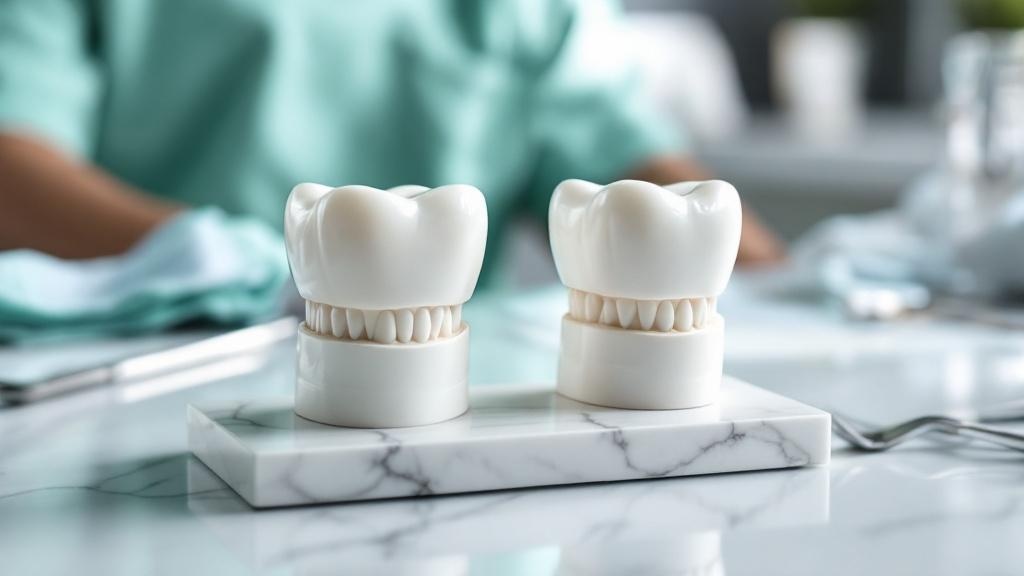
Are you facing a difficult choice between a dental crown and veneer to restore your smile? According to dental professionals, this decision affects over 15 million people annually who seek tooth restoration solutions. The wrong choice could mean unnecessary expense, repeated treatments, or disappointing results that don't meet your expectations.
Both crowns and veneers can transform damaged or unsightly teeth, but they serve different purposes and require different levels of tooth preparation. Understanding when to choose each option is crucial for achieving lasting results that protect both your oral health and your investment. The Medical Travel Company helps UK patients access high-quality dental treatments abroad, often at significant cost savings compared to private UK clinics.
Understanding the Key Differences Between Crowns and Veneers
The fundamental difference between dental crowns and veneers lies in their coverage and purpose. Dental crowns encircle the entire tooth, providing complete protection and restoration, while veneers are thin shells that cover only the front surface of teeth for cosmetic enhancement.
Crowns serve as both restorative and cosmetic treatments. They're designed to strengthen damaged teeth while improving appearance. According to dental research, crowns can restore teeth that have lost 50% or more of their structure due to decay, fractures, or large fillings.
Veneers focus primarily on cosmetic improvements. They address issues like discoloration, minor chips, gaps between teeth, or slight misalignment. Clinical studies show that veneers work best when the underlying tooth structure remains healthy and strong.
85%
of dental crowns last 15+ years
Making them a durable long-term investment for tooth restoration
When Dental Crowns Are the Right Choice
Crowns become necessary when your tooth requires significant structural support or protection. Dental professionals recommend crowns for teeth with large fillings that comprise more than 50% of the tooth structure, as these teeth become vulnerable to fractures.
Root canal-treated teeth almost always need crowns for protection. The root canal procedure removes the tooth's blood supply, making it more brittle and prone to breaking under normal chewing forces. Research indicates that crowned root canal teeth last significantly longer than those left unprotected.
Severely worn teeth from grinding (bruxism) also benefit from crowns. The crown restores proper tooth height and provides a protective barrier against further wear. Additionally, crowns work well for teeth with multiple fractures or those requiring significant reshaping for both function and aesthetics.
When Veneers Are the Better Option
Veneers excel when your primary goal is cosmetic improvement of structurally sound teeth. According to cosmetic dentistry studies, veneers provide excellent results for teeth with intrinsic staining that doesn't respond to whitening treatments, such as tetracycline discoloration or fluorosis.
Minor spacing issues and slightly misaligned teeth respond well to veneers without requiring orthodontic treatment. This makes veneers an attractive option for adults who want straighter-looking teeth without braces. Clinical research shows that veneers can close gaps up to 2-3mm effectively.
Teeth with small chips, worn edges, or minor size discrepancies are ideal candidates for veneers. The conservative nature of veneer preparation preserves maximum natural tooth structure while achieving dramatic cosmetic improvements. However, veneers require sufficient enamel thickness for proper bonding and long-term success.
| Feature | Dental Crown | Veneer |
|---|---|---|
| Coverage | Entire tooth | Front surface only |
| Tooth removal | Significant enamel removal | Minimal enamel removal |
| Durability | 15-30 years | 10-15 years |
| Cost range | £500-£1,500 | £400-£1,000 |
| Best for | Severely damaged teeth | Cosmetic improvements |
Comparing Durability and Longevity
Longevity represents a crucial factor when choosing between crowns and veneers. Long-term studies demonstrate that well-made crowns can last 15-30 years with proper care, making them an excellent long-term investment for damaged teeth.
Veneers typically last 10-15 years before requiring replacement. Research tracking veneer longevity shows that porcelain veneers outperform composite veneers, with porcelain versions maintaining their appearance and strength longer.
Several factors influence both treatments' lifespan. Good oral hygiene, regular dental checkups, and avoiding habits like teeth grinding significantly extend durability. Studies indicate that patients who wear night guards and maintain excellent oral hygiene see the longest-lasting results from both crowns and veneers.
Money-Saving Strategy
Consider medical tourism for extensive dental work. Countries like India offer high-quality dental treatments at 60-70% lower costs than UK private clinics, with many dentists trained in Western techniques and using the same materials.
Cost Considerations and Value Analysis
Understanding the financial implications helps you make an informed decision between crowns and veneers. In the UK, private dental crowns typically range from £500-£1,500 per tooth, depending on the material and complexity. Veneers generally cost £400-£1,000 per tooth, making them appear less expensive initially.
However, the true cost equation includes longevity and replacement frequency. Since crowns last longer, they often provide better value per year of service. Economic analyses of dental treatments show that crowns' superior durability can offset their higher initial cost over time.
Medical tourism presents an attractive alternative for extensive dental work. Countries like India offer high-quality crown and veneer treatments at 50-70% lower costs than UK private clinics. This cost saving becomes particularly significant when multiple teeth require treatment, making comprehensive smile makeovers more accessible to UK patients seeking quality care abroad.
Making the Right Decision for Your Smile
The decision between crowns and veneers ultimately depends on your specific dental condition and goals. Dental assessment protocols emphasize evaluating tooth structure, damage extent, and patient expectations before recommending treatment.
Consider crowns when dealing with significant structural damage, large fillings, or teeth requiring both strength and aesthetic improvement. Veneers work best for primarily cosmetic concerns on healthy teeth with sufficient enamel for bonding. Treatment planning research shows that proper case selection leads to higher patient satisfaction and longer-lasting results.
Your dentist will assess factors like bite forces, grinding habits, gum health, and oral hygiene before making recommendations. Some cases may benefit from combining both treatments – using crowns for severely damaged teeth and veneers for healthy teeth needing cosmetic enhancement. This comprehensive approach ensures each tooth receives the most appropriate treatment for optimal long-term results.

How The Medical Travel Company Helps You Access Quality Dental Care
The Medical Travel Company
Cost Savings
Save 50-70% on crown and veneer treatments compared to UK private dental costs while maintaining quality standards
Pre-Treatment Consultation
UK-based dental consultations help determine whether crowns or veneers are right for your specific situation before travel
Quality Assurance
Partner clinics use the same materials and techniques as top UK dental practices, with internationally trained specialists
Comprehensive Support
Full travel coordination and aftercare support, including follow-up consultations to ensure treatment success
Frequently Asked Questions
Sources & References
- 1
Veneer vs. Crown | Skilled Cosmetic Dentist in Buffalo, NY
https://www.toddshatkindds.com/veneer-vs-crown-discover-what-your-smile-really-needs/
- 2
Choosing Between a Veneer and a Dental Crown for Your Smile
https://dentonsmilesdentistry.com/choosing-between-a-veneer-and-a-dental-crown-for-your-smile-how-to-decide/
- 3
Crowns vs. Veneers: Making the Right Choice for Your Smile
https://www.mainstreetdentalartsnj.com/crowns-vs-veneers-making-the-right-choice-for-your-smile/
- 4
Dental Crown vs. Cosmetic Veneer
https://www.foxvalleydentalcenter.com/blog/cosmetic-vs-restorative-dental-crown-vs-cosmetic-veneer/54167
- 5
Dental Crowns Vs. Veneers: Which One Is Right For Your Smile ...
https://communitydentalspa.com/blog/dental-crowns-vs-veneers-which-one-is-right-for-your-smile-choosing-the-best-cosmetic-option-for-your-teeth/
- 6
Veneers vs. Crowns: What Are the Pros and Cons of Each?
https://www.healthline.com/health/dental-and-oral-health/veneers-vs-crowns
- 7
Crowns vs. Veneers: Which Dental Restoration Is Right for You?
https://www.stardentalma.com/blogs/choosing-between-crowns-and-veneers
- 8
Choosing Between Crowns and Veneers
https://www.lajollacosmeticdentistryandorthodontics.com/blog/choosing-between-crowns-and-veneers/
- 9
Crowns vs. Veneers: Which Option Is Right for Your Smile?
https://www.francisdentalaz.com/post/crowns-vs-veneers-which-option-is-right-for-your-smile
- 10
Veneers vs. Crowns: Which One Should You Choose?
https://vegassmilesuite.com/veneers-vs-crowns/
More from The Medical Travel Company
Porcelain vs Composite Veneers: Which Type is Right for You?
Compare porcelain vs composite veneers. Learn about durability, cost, appearance & which veneer type suits your needs best. Expert guide 2024.
Hip Replacement Surgery in India vs UK: Cost Comparison and Quality Analysis
Compare hip replacement costs in India vs UK. Discover quality medical tourism options, waiting list alternatives, and recovery abroad benefits.
Spine Surgery Recovery Abroad: Complete Timeline, Support, and Aftercare Guide
Complete guide to spine surgery recovery abroad. Learn about timelines, aftercare support, and cost savings for spinal surgery in India vs UK.