
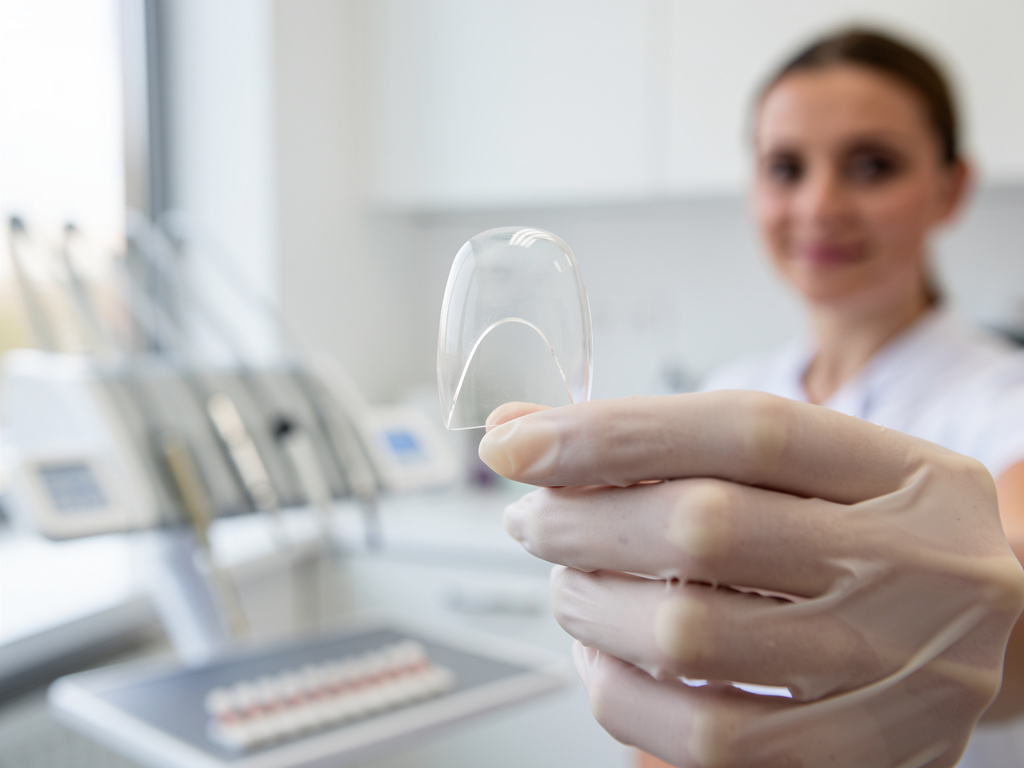
Standing in front of your bathroom mirror, you trace your finger along that chipped front tooth or stubborn discoloration that's been affecting your confidence in client meetings. You've considered veneers, but that nagging question keeps surfacing: "Will they ruin my natural teeth?"
It's a valid concern that deserves careful consideration, especially when your professional image and long-term dental health are at stake. As more professionals seek cosmetic dental solutions to enhance their career prospects, the debate around veneer safety has intensified.
The truth about veneers and tooth damage is more nuanced than the dramatic before-and-after photos flooding social media might suggest. According to research from The National Center for Biotechnology Information, modern veneer techniques, when properly executed, can actually preserve more natural tooth structure than traditional cosmetic procedures.
Let's separate fact from fiction and explore what dental experts really say about the impact of veneers on your natural teeth, helping you make an informed decision about your smile's future.
The Truth About Veneers and Tooth Damage
One of the most persistent concerns about veneers is their impact on natural teeth. The reality is that veneers don't inherently damage teeth - but the preparation process and long-term wear deserve careful consideration.
Modern dental veneers, particularly those made from high-grade porcelain, are designed to work in harmony with your natural tooth structure. When properly bonded to healthy enamel by an experienced cosmetic dentist, veneers can actually protect your teeth from certain types of wear and damage.
However, it's crucial to understand that the preparation process typically involves removing a small amount of enamel to ensure proper fit and adhesion. This process is irreversible, which means your teeth will always need some form of protection once they've been prepared for veneers.
The key factor in preventing damage lies in proper case selection and technique. Not everyone is an ideal candidate for veneers, and forcing them onto unsuitable teeth can indeed lead to problems. Your dentist should thoroughly evaluate your oral health, bite alignment, and enamel thickness before proceeding with treatment.
Understanding the Veneer Preparation Process
The preparation process for veneers is often misunderstood, leading to unnecessary anxiety about tooth damage. Let's clarify exactly what happens to your teeth during this procedure.
Before any enamel is touched, your dentist should perform a comprehensive evaluation of your oral health. This includes checking for signs of gum disease, assessing bite patterns, and measuring enamel thickness. These factors significantly influence whether veneers are a suitable option for you.
The actual preparation process varies depending on the type of veneers and your specific dental situation. Modern minimally invasive techniques prioritize preserving as much natural tooth structure as possible. Some ultra-thin veneers require minimal or no enamel removal at all.
Your dentist will use specialized tools to carefully create space for the veneer while maintaining the tooth's structural integrity. This isn't about 'grinding down' your teeth, as some might fear, but rather precisely preparing the surface for optimal bonding.
The goal is to create just enough space for the veneer to look natural while ensuring it bonds securely. Over-preparation can indeed compromise tooth health, which is why choosing an experienced cosmetic dentist is crucial.
Signs You're a Good Candidate for Veneers
- You have healthy teeth with adequate enamel thickness
- Your teeth are free from decay and gum disease
- You maintain good oral hygiene habits
- You don't have a habit of grinding or clenching your teeth
- Your cosmetic concerns can't be addressed with more conservative treatments
- You understand the maintenance requirements and long-term commitment
Long-Term Effects and Maintenance Requirements
Understanding the long-term implications of veneers is crucial for maintaining both your dental health and your investment. With proper care and maintenance, veneers can serve you well for many years without causing damage to your natural teeth.
Regular dental check-ups become even more important after getting veneers. Your dentist needs to monitor not just the veneers themselves, but also the underlying tooth structure and surrounding gum tissue. Any signs of wear, decay, or gum problems need to be addressed promptly to prevent complications.
Daily oral hygiene remains crucial, though it doesn't require any special products or complicated routines. Regular brushing with non-abrasive toothpaste, flossing, and maintaining good gum health are essential. While veneers themselves can't decay, the natural tooth structure underneath still can.
If you grind your teeth at night, your dentist will likely recommend wearing a night guard to protect your veneers and natural teeth. This simple preventive measure can significantly extend the life of your veneers and prevent potential damage to both the restorations and your natural teeth.
Common Veneer Complications and How to Avoid Them
While veneers are generally safe when properly placed, understanding potential complications helps you make informed decisions and take preventive measures. Most issues arise not from the veneers themselves, but from inadequate preparation or poor maintenance.
One common concern is sensitivity after placement. This is typically temporary and resolves as your teeth adjust to the veneers. However, persistent sensitivity might indicate an issue with the fit or bonding that needs professional attention.
Another consideration is the potential for veneer detachment or damage. This usually occurs due to excessive bite forces, trauma, or poor bonding technique. Choosing an experienced cosmetic dentist who uses high-quality materials and proven techniques significantly reduces these risks.
Gum health can also be affected if veneers are poorly fitted or if oral hygiene isn't maintained. Properly contoured veneers should allow for effective cleaning and healthy gum tissue. Your dentist should carefully design the margins of your veneers to promote gum health.
The key to avoiding complications lies in thorough pre-treatment planning, selecting an experienced provider, and following recommended maintenance protocols. When these elements align, veneers can enhance your smile without compromising dental health.
Maximizing Veneer Longevity
Invest in a high-quality night guard if you show any signs of grinding or clenching. This simple preventive measure can significantly extend the life of your veneers and protect your natural teeth from damage. Regular professional cleanings using non-abrasive materials are also crucial for maintaining both your veneers and underlying tooth structure.
Alternatives to Traditional Veneers
Before committing to traditional veneers, it's worth exploring whether less invasive alternatives might achieve your desired results. The best solution often depends on your specific concerns and the condition of your natural teeth.
Dental bonding offers a more conservative approach for minor cosmetic issues. This procedure involves applying tooth-colored composite resin directly to your teeth, requiring minimal or no enamel removal. While not as durable as porcelain veneers, bonding can be an excellent option for addressing small chips or gaps.
Professional teeth whitening might be sufficient if your main concern is tooth color. This completely non-invasive approach preserves all your natural tooth structure while significantly improving the appearance of your smile.
For alignment issues, clear aligners or traditional orthodontics might be more appropriate than veneers. These options actually improve your tooth position rather than just masking the problem, and they preserve all your natural tooth structure.
In some cases, a combination of treatments might provide the best results while minimizing any impact on your natural teeth. Your dentist should discuss all viable options and help you understand the benefits and limitations of each approach.
Making an Informed Decision About Veneers
Deciding whether to proceed with veneers requires careful consideration of multiple factors, including your oral health, lifestyle, and long-term goals. This isn't a decision to make based solely on price or convenience.
Start by having a thorough consultation with a qualified cosmetic dentist. They should evaluate your oral health, discuss your concerns and expectations, and explain how veneers might address your specific situation. Don't hesitate to ask detailed questions about their experience, the materials they use, and their approach to preservation of natural tooth structure.
Consider requesting before-and-after photos of similar cases they've completed. This can help you understand what results are realistic and assess the dentist's aesthetic approach. Many practices now offer digital smile previews, allowing you to visualize potential results before committing to treatment.
Take time to understand the maintenance requirements and potential future costs. While veneers can last many years, they may eventually need replacement. Factor this into your long-term planning.
Remember that the goal of cosmetic dentistry should be to enhance your smile while preserving your oral health. If a dentist suggests aggressive treatment without thoroughly explaining why it's necessary, consider seeking a second opinion.
Common Veneer Myths Debunked
Myth
Veneers always require grinding down your natural teeth to stubs
Reality
Modern minimally invasive techniques often require only minimal enamel reduction, and some ultra-thin veneers need virtually no preparation at all. The amount of tooth reduction depends on your specific situation and the type of veneers chosen.
Conclusion
The decision to get veneers shouldn't be clouded by misconceptions about tooth damage. When performed by experienced professionals using modern techniques, veneers can enhance your smile while preserving your natural tooth structure. The key lies in proper planning, careful execution, and ongoing maintenance.
Your journey to a confident smile doesn't have to compromise your dental health. By understanding the process, choosing a qualified provider, and maintaining good oral hygiene habits, you can enjoy the benefits of veneers while keeping your natural teeth healthy and protected.
Remember that every smile makeover should prioritize both aesthetics and oral health. Take time to research your options, ask detailed questions during consultations, and choose a treatment plan that aligns with your long-term dental health goals. With the right approach, veneers can be a safe and effective way to transform your smile and boost your confidence in both personal and professional settings.

How Dental Treatments and Veneers by The Medical Travel Company Makes Quality Veneers More Accessible
The Medical Travel Company
UK-Trained Dental Specialists
Ensures you receive the same high standard of care you'd expect in the UK, with extensive experience in minimally invasive veneer techniques
Substantial Cost Savings
Makes quality veneer treatment more accessible while maintaining strict quality standards and using premium materials
Comprehensive Care Package
Includes thorough pre-treatment assessment, custom treatment planning, and detailed aftercare instructions
Frequently Asked Questions
Sources & References
- 1
Veneers - Healthdirect
https://www.healthdirect.gov.au/veneers
- 2
Marginal Adaptation of Veneers: A Systematic Review - PMC
https://pmc.ncbi.nlm.nih.gov/articles/PMC9790148/
- 3
The Effect of Various Preparation and Cementation Techniques of ...
https://pmc.ncbi.nlm.nih.gov/articles/PMC11132760/
- 4
The Success of Dental Veneers According To Preparation Design ...
https://pmc.ncbi.nlm.nih.gov/articles/PMC6311473/
- 5
Patient Awareness of Soft-Tissue Irritants After Placement of ... - NIH
https://pmc.ncbi.nlm.nih.gov/articles/PMC9671196/
- 6
Analysis of the effects of prepared porcelain veneers and ... - PMC
https://pmc.ncbi.nlm.nih.gov/articles/PMC8145799/
- 7
Risk Factors with Porcelain Laminate Veneers Experienced during ...
https://pmc.ncbi.nlm.nih.gov/articles/PMC10381715/
- 8
Survival of Ceramic Veneers: Impact of Dentin Exposure and Tooth ...
https://pmc.ncbi.nlm.nih.gov/articles/PMC12618969/
- 9
Clinical Survival Rate and Laboratory Failure of Dental Veneers - PMC
https://pmc.ncbi.nlm.nih.gov/articles/PMC11122289/
- 10
Advances in dental veneers: materials, applications, and techniques
https://pmc.ncbi.nlm.nih.gov/articles/PMC3652364/
- 11
Research Progress and Clinical Application of All-Ceramic Micro ...
https://pmc.ncbi.nlm.nih.gov/articles/PMC10141096/
- 12
Evaluation of E-max Porcelain Veneer Failures: A Retrospective Study
https://pmc.ncbi.nlm.nih.gov/articles/PMC11126865/
- 13
Do Veneers Ruin Your Teeth? Evidence-Based Safety Guide | The Dental Guide
https://www.thedentalguide.net/do-veneers-ruin-your-teeth
- 14
Do Veneers Damage Teeth? What You Need to Know Before Treatment
https://www.babylondentalcare.com/blog/do-veneers-damage-teeth-what-you-need-to-know-before-treatment
- 15
Do Veneers Ruin Your Teeth? What You Need to Know
https://www.monavaledental.com.au/do-veneers-ruin-your-teeth
More from The Medical Travel Company
Porcelain vs Composite Veneers: Which Type is Right for You?
Compare porcelain vs composite veneers. Learn about durability, cost, appearance & which veneer type suits your needs best. Expert guide 2024.
Hip Replacement Surgery in India vs UK: Cost Comparison and Quality Analysis
Compare hip replacement costs in India vs UK. Discover quality medical tourism options, waiting list alternatives, and recovery abroad benefits.
Spine Surgery Recovery Abroad: Complete Timeline, Support, and Aftercare Guide
Complete guide to spine surgery recovery abroad. Learn about timelines, aftercare support, and cost savings for spinal surgery in India vs UK.