
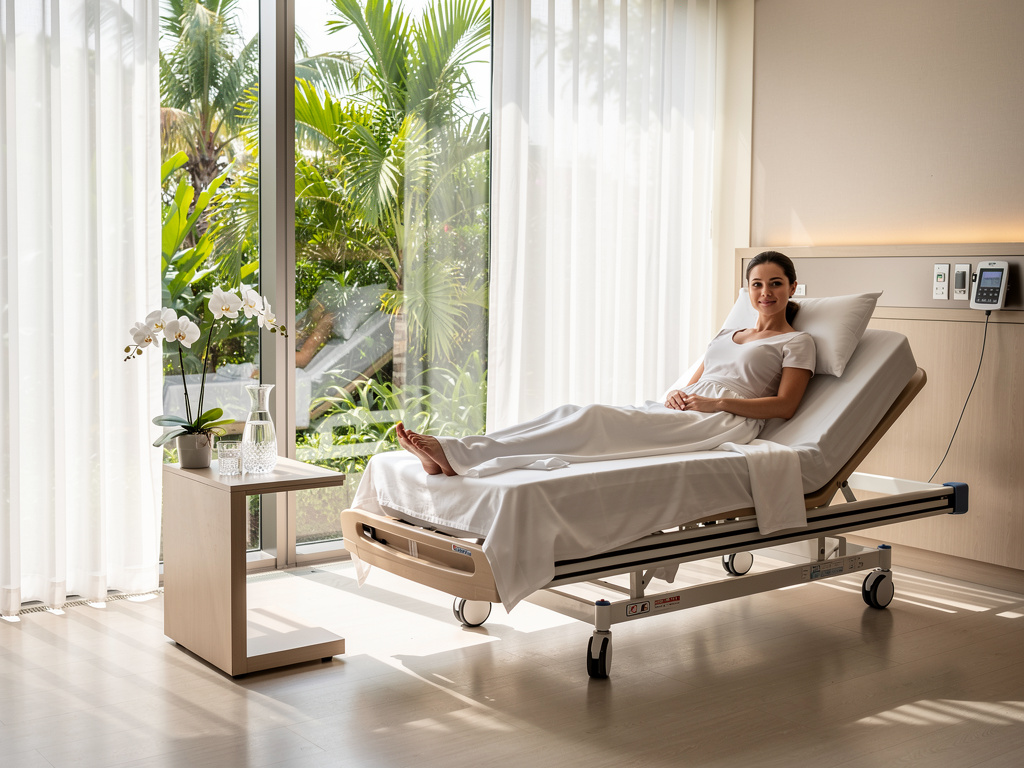
What if your surgery goes perfectly, but poor aftercare ruins everything? According to Medical Tourism Partners, inadequate post-operative care remains the biggest risk factor in medical tourism today. Success or disaster? It comes down to asking the right questions before you book. The medical tourism market hit $35 billion in 2025. Thousands of patients learned this lesson too late. These questions separate world-class aftercare from dangerous shortcuts.
Step 1: Verify Medical Credentials and Facility Accreditation
Demand proof of credentials. Skip the testimonials. Not promises. Actual documentation.
Request the facility's accreditation certificates from recognized international bodies like JCI (Joint Commission International) or NABH (National Accreditation Board for Hospitals). NaTHNaC emphasizes that legitimate facilities will proudly display these credentials and provide verification codes you can check online.
Ask about nurse qualifications. These people handle your daily care. Nursing standards vary wildly between destinations. Get names, certifications, experience levels. Ask for nurse-to-patient ratios. Above 1:4 for post-surgical care? Red flag.
Check their track record with your specific procedure. Great at cosmetic surgery recovery? They might suck at orthopedic rehab. Get numbers. How many patients like you? What were complication rates? Any facility hesitant to share this data isn't worth your trust.
Pre-Booking Documentation Checklist
- Facility accreditation certificates (JCI, NABH, or equivalent)
- Surgeon and nursing staff credentials and experience records
- Written complication rates for your specific procedure
- Detailed cost breakdown including all potential charges
- Emergency protocol documentation and hospital partnerships
- Patient testimonials with verifiable contact information
- Insurance coverage details and claim procedures
Step 2: Assess Communication Protocols and Language Support
Clear communication during recovery isn't just convenient, it's critical for your safety. Before booking, test the facility's communication systems yourself.
Call them at different times. Send specific questions by email. How fast do they respond? Is their English clear? AriaMedTour notes that communication breakdowns cause more aftercare problems than actual medical issues.
Ask about translators. Available 24/7 or just business hours? Need help at 3 AM? Get written confirmation of language support for emergencies.
Who handles what? Demand details about their reporting structure. Pain management? Diet issues? Emergencies? Professional facilities have clear protocols and communication charts. Multiple contact methods matter. Phone, WhatsApp, email, in-person support.
Step 3: Evaluate Continuity of Care and Telemedicine Options
Recovery doesn't end when you leave. Smart patients plan long-term care before booking flights.
According to Vital Global Care, the best aftercare facilities now offer comprehensive telemedicine programs. Get specifics. Virtual follow-ups when you're home? How long? Your actual surgeon or some random GP?
Ask about home physician coordination. Top facilities contact your local doctor first, share records, establish communication. They should provide detailed handover reports. Recovery milestones, medication schedules, warning signs.
What's their emergency support? Complications at home? 24/7 hotlines? Can they work with local hospitals? Some facilities have monitoring apps that track recovery and alert staff to problems. These digital tools have become essential for safe medical tourism.
| Evaluation Criteria | Red Flags | Green Flags |
|---|---|---|
| Communication Response Time | Takes days to respond or gives vague answers | Responds within 24 hours with specific details |
| Pricing Transparency | Mentions 'additional charges may apply' frequently | Provides itemized, all-inclusive pricing upfront |
| Medical Coordination | No mention of home doctor coordination | Offers structured handover process with your physician |
| Emergency Protocols | Vague assurances about 'handling any situation' | Written protocols with specific response times |
Step 4: Examine Accommodation and Recovery Environment Standards
Your recovery environment directly impacts healing speed and comfort. Skip vague descriptions. Demand specifics about where you'll recover.
Longevita's medical tourism checklist recommends inspecting room specifications: Private or shared? Attached bathroom? AC? Medical-grade beds? Distance from nurses? Request actual photos and virtual tours, not marketing images.
Investigate hygiene protocols thoroughly. How often do they clean rooms? What sanitization products? HEPA filters? Post-COVID, infection control has become paramount. Ask about their isolation procedures if another patient develops an infection.
Assess the recovery amenities that matter for your procedure. Orthopedic patients need different facilities than cosmetic surgery patients. Check for physio rooms, pools, specialized equipment. Can they handle dietary restrictions? Will a nutritionist customize your recovery diet? Quality aftercare facilities like Luxury Aftercare and Recovery Services provide personalized nutrition plans designed to accelerate healing.
Step 5: Clarify Financial Terms and Hidden Costs
Aftercare sticker shock ruins more trips than you'd think. Get every cost in writing before you commit to anything.
Request a detailed breakdown of what's included in your aftercare package. Moscow Pass's medical tourism guide warns that facilities often hide costs like medications, special dressings, physiotherapy sessions, or additional nursing care. Ask about pain medication costs. They can add hundreds to your bill.
Check payment terms and refund policies. Surgery gets postponed? Extended recovery needed? Daily rates for extra nights? Check insurance coverage. Some take international insurance. Others want upfront payment with later reimbursement.
Don't forget hidden costs. Laundry, companion rooms, transport to appointments. Professional facilities give transparent pricing. Evasive about costs? Mentioning 'additional charges'? Look elsewhere. Financial stress during recovery hinders healing.
$35 Billion
Global medical tourism market value in 2025
With 16.8% annual growth driving increased focus on quality aftercare
Step 6: Review Complication Protocols and Emergency Procedures
Nobody wants to think about complications, but smart patients plan for them anyway. Your life might depend on these protocols.
Demand written documentation of their emergency procedures. Seoul Cosmetic Surgery emphasizes checking response times: How quickly can they get you to a hospital? Which hospitals do they partner with? Are ambulances on-site or on-call?
Ask about their complication statistics and how they handle common post-operative issues. Infections? Bleeding? Allergic reactions? They need clear protocols for each. Ask for examples of past emergencies. Transparency shows professionalism.
Check their medical equipment and emergency supplies. Crash carts? Oxygen? Basic surgical supplies? Can they handle emergencies on-site or just call ambulances? Premium facilities have ICU-level equipment. Others are basically hotel rooms with nurses. Know the difference before you need it.
Insider Recovery Planning Tip
Schedule a video call with the aftercare facility at least two weeks before travel. Use this call to 'test' their communication systems, meet key staff members, and get a virtual tour. Any facility that refuses video consultations or makes excuses should be crossed off your list immediately. This simple step reveals more about their actual operations than any brochure or website ever could.
Step 7: Verify Legal Protections and Patient Rights
Legal protection gets overlooked until things go wrong. Understand your rights before booking.
According to Thantakit's safety checklist, reputable facilities provide clear consent forms in your language, outlining risks, patient rights, and complaint procedures. They should carry malpractice insurance covering international patients. Ask for proof.
Investigate the facility's dispute resolution process. How do they handle patient complaints? Ombudsman? Patient advocate? What's their track record resolving issues? Are they registered with international medical tourism associations that handle disputes?
Know your legal options if things go wrong. Some countries protect patients better. Research local negligence laws. Can you sue? Would judgments work in your home country? Hope for the best, prepare for the worst. Quality facilities will discuss these issues openly rather than avoiding them.
Step 8: Plan Your Support System and Recovery Timeline
Your final step involves creating a realistic recovery plan with adequate support, both abroad and at home.
Luxora Experiences recommends mapping out your entire recovery timeline before booking. How many days of intensive aftercare? When can you safely fly home? What support do you need at home? Build in buffer time. Rushing recovery to save money backfires.
Arrange support early. Companion traveling with you? Can they stay at the facility? What's the cost? Traveling alone? Do they provide companions or recovery buddies? Some patients benefit from connecting with previous patients who've undergone similar procedures.
Plan for the unexpected. What if you need visa extensions? Dr. Furkan Certel's guide notes that recovery sometimes takes longer than expected. Know visa extension procedures. Have emergency contacts. Keep return travel flexible. The best facilities help with logistics. Visa support letters, airline coordination for medical flight changes.

How Luxury Aftercare and Recovery Services Helps You Navigate Post-Surgery Care
The Medical Travel Company
24/7 Medical Support and Monitoring
Ensures immediate response to any complications or concerns, with qualified medical staff always available to address the emergency protocols discussed in Step 6
Personalized Nutrition and Meal Plans
Accelerates healing through customized dietary programs designed by nutritionists, addressing the specific recovery needs for your procedure type
Professional Physiotherapy Services
Provides structured rehabilitation programs essential for orthopedic and complex surgeries, ensuring optimal recovery outcomes
Luxury Accommodation Facilities
Offers private, medically-equipped rooms with the hygiene standards and comfort features necessary for stress-free healing
Comprehensive Recovery Programs
Integrates all aspects of aftercare from medical monitoring to home physician coordination, eliminating the fragmented care that often plagues medical tourism
Frequently Asked Questions
Sources & References
- 1
How to Choose a Medical Tourism Facilitator (2025 Guide)
https://www.medicaltourismpartners.com/blog/how-to-choose-a-medical-tourism-facilitator-2025-guide-safety-costs-and-red-flags
- 2
9 Key Questions to Ask Before Booking a Dental Tourism Trip
https://myglobaldentist.net/9-key-questions-before-booking-dental-tourism-trip/
- 3
Checklist: Planning Your Medical Tourism Trip Step-by-Step
https://luxoraexperiences.com/blogs/medical-tourism-trip-checklist
- 4
Medical Tourism Checklist: How To Choose A Trustworthy ...
https://www.longevita.co.uk/guides/medical-tourism-provider-checklist/
- 5
What is Medical Tourism? A Complete Guide for Patients
https://seoulcosmeticsurgery.com/what-is-medical-tourism-a-complete-guide-for-patients/
- 6
How to Vet International Hospitals and Doctors (Your Trust Checklist)
https://www.medtravel.ai/guide-detail/safety-first-how-to-vet-international-hospitals-and-doctors-your-trust-checklist
- 7
Important Information - Dr Furkan Certel
https://www.drfurkancertel.com/important-information/
- 8
Travelling for treatment (medical tourism) - NaTHNaC
https://travelhealthpro.org.uk/factsheet/59/medical-tourism-travelling-for-treatment
- 9
Medical Tourism Questions and Answers | AriaMedTour
https://ariamedtour.com/faq/medical-tourism-questions/
- 10
The Complete Guide to Medical Tourism for International Patients ...
https://vitalglobalcare.com/medical-tourism/
- 11
Dental Tourism Safety Checklist: How to Choose Well
https://www.thantakit.com/dental-tourism-safety-checklist/
- 12
Ultimate Medical Tourism Guide for Affordable Health Travel
https://moscowpass.com/it/blog/medical-tourism-the-ultimate-guide-to-affordable-health-travel/
More from The Medical Travel Company
Porcelain vs Composite Veneers: Which Type is Right for You?
Compare porcelain vs composite veneers. Learn about durability, cost, appearance & which veneer type suits your needs best. Expert guide 2024.
Hip Replacement Surgery in India vs UK: Cost Comparison and Quality Analysis
Compare hip replacement costs in India vs UK. Discover quality medical tourism options, waiting list alternatives, and recovery abroad benefits.
Spine Surgery Recovery Abroad: Complete Timeline, Support, and Aftercare Guide
Complete guide to spine surgery recovery abroad. Learn about timelines, aftercare support, and cost savings for spinal surgery in India vs UK.